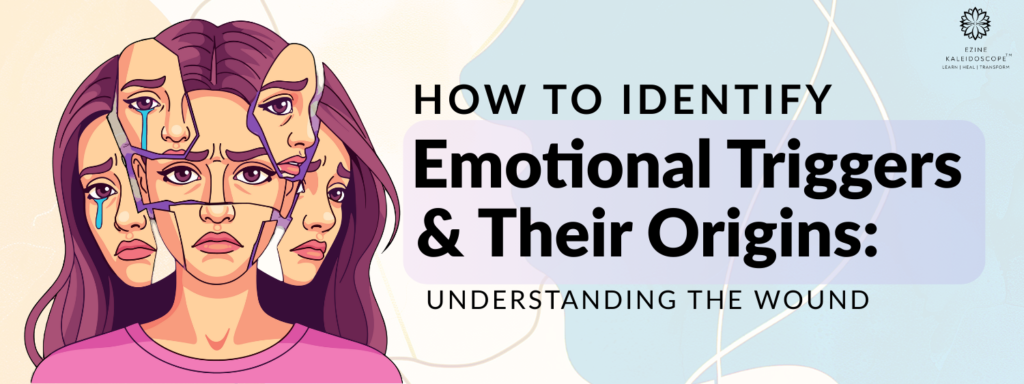
In holistic healing, we often say that nothing shows up in our life by accident. This includes emotional triggers. Those sudden waves of anger, sadness, fear, or irritation are not random reactions. They are messengers. They point toward unresolved wounds, unmet needs, and stories stored deep within the body and mind.
This blog is an invitation to slow down and look inward. As a holistic healing firm in India, we see emotional triggers not as problems to fix, but as teachers guiding us toward awareness, balance, and healing. When you understand why something triggers you, you gain the power to respond with clarity instead of reacting from pain.
What Are Emotional Triggers?
Emotional triggers are situations, words, behaviours, or memories that create an intense emotional reaction. The reaction is often stronger than the present moment deserves. That intensity is the clue.
A simple comment may feel like an attack. A small disagreement may feel overwhelming. This happens because the present moment is touching an older emotional wound.
Triggers can show up as:
- Sudden anger or irritation
- Deep sadness or tears without a clear reason
- Anxiety, fear, or panic
- Feeling rejected, ignored, or unsafe
- Strong body reactions like tightness, heaviness, or numbness
Understanding triggers is the first step in how to identify emotional triggers and their origins in a compassionate and grounded way.
Why Do Triggers Feel So Strong?
Triggers feel powerful because they are connected to past experiences that were never fully processed. These experiences may come from:
- Childhood conditioning
- Family patterns
- Past relationships
- Emotional neglect or criticism
- Cultural or societal expectations
- Generational trauma
When a current situation feels similar to an old wound, the nervous system reacts as if the past is happening again. The body does not know time. It only knows memory.
This is why healing is not just mental. It is emotional, physical, and energetic.
The Holistic View: Triggers as Teachers
In holistic healing, we do not label triggers as weakness. We see them as invitations.
Every trigger asks a question:
- What part of me feels unsafe right now?
- What belief is being challenged?
- What emotion was never allowed to be felt before?
When you approach triggers with curiosity instead of judgment, they begin to lose their power. This shift is central to how to identify emotional triggers and their origins without blaming yourself or others.
Common Emotional Triggers and What They Often Point To
1. Feeling Ignored or Unseen
This trigger often connects to childhood experiences where your emotions were dismissed or overlooked. It may carry beliefs like:
- “I don’t matter.”
- “I have to work hard to be noticed.”
2. Criticism or Feedback
Strong reactions to criticism may point to:
- Perfectionism
- Fear of failure
- Conditional love in early life
3. Abandonment or Distance
This trigger is often rooted in:
- Emotional or physical absence of caregivers
- Unstable relationships
- Fear of being left alone
4. Loss of Control
Anger or anxiety when things don’t go your way may link to:
- Growing up in unpredictable environments
- Needing control to feel safe
Recognising these patterns supports how to identify emotional triggers and their origins with greater clarity.
How the Body Stores Emotional Wounds
Trauma and emotional pain are not stored only in the mind. They live in the body.
You may notice:
- Tight shoulders or jaw during conflict
- Heaviness in the chest during sadness
- Gut discomfort during fear
This is why talking alone is not always enough. Breathwork, mindfulness, energy healing, and somatic practices help release stored emotions gently.
A body-aware approach is essential when learning how to identify emotional triggers and their origins deeply and safely.
Step-by-Step: How to Identify Emotional Triggers Without Overwhelm
Step 1: Pause Instead of React
When you feel triggered, pause. Take a few slow breaths. This creates space between stimulus and response.
Step 2: Name the Emotion
Ask yourself:
- What am I feeling right now?
- Is it anger, fear, shame, sadness, or something else?
Naming emotions reduces their intensity.
Step 3: Ask the Gentle ‘Why’
Instead of asking, “What is wrong with me?” ask:
- “When have I felt this before?”
- “What does this remind me of?”
This question opens the door to how to identify emotional triggers and their origins with compassion.
Step 4: Notice the Body
Scan your body. Where do you feel this emotion?
The body often reveals what the mind avoids.
Step 5: Trace the Pattern
Look for repetition. Has this trigger appeared in multiple relationships or situations?
Patterns are powerful teachers.
Childhood Wounds and Adult Triggers
Many adult triggers are rooted in unmet childhood needs, such as:
- Safety
- Validation
- Emotional expression
- Consistency
As children, we adapt to survive. As adults, those adaptations may no longer serve us.
Healing begins when we stop shaming our younger selves and start listening to them.
This inner listening is a key part of how to identify emotional triggers and their origins in long-term healing work.
The Role of Beliefs in Emotional Triggers
Behind every trigger is a belief.
Examples include:
- “I am not enough.”
- “People cannot be trusted.”
- “I must please others to be loved.”
These beliefs often formed early, but they continue to shape present reactions.
When beliefs are brought into awareness, they can be softened, questioned, and replaced.
Emotional Triggers in Relationships
Relationships are powerful mirrors. They reveal our unhealed parts quickly.
Triggers in relationships may show up as:
- Overreacting to small issues
- Shutting down emotionally
- Needing constant reassurance
- Avoiding closeness
Instead of asking, “Why is this person triggering me?” try asking:
- “What is this relationship showing me about myself?”
This shift supports how to identify emotional triggers and their origins without blame.
Spiritual Perspective: Why Triggers Appear on the Healing Path
From a spiritual lens, triggers surface when we are ready to heal.
They do not come to punish us. They come to:
- Bring unconscious pain into awareness
- Help us release old karmic patterns
- Guide us toward self-compassion
Healing is not about becoming emotionless. It is about becoming conscious.
Practices That Support Trigger Awareness and Healing
Some gentle practices include:
- Mindful journaling after emotional reactions
- Breath awareness during difficult conversations
- Body-based meditation
- Energy healing sessions
- Inner child visualisation
These practices strengthen your ability to observe emotions rather than drown in them.
They naturally support how to identify emotional triggers and their origins over time.
When Triggers Start to Lose Their Power
Healing does not mean triggers disappear overnight.
It means:
- You recover faster
- You respond instead of reacting
- You feel more grounded
- You understand yourself better
This is real progress.
Final Reflection: Listening to the Teacher Within
Your triggers are not your enemies. They are signals from within, asking to be heard, understood, and healed.
When you learn how to identify emotional triggers and their origins, you move from unconscious reaction to conscious response. This is the heart of holistic healing.
Be patient with yourself. Healing unfolds in layers. Each trigger you understand brings you closer to inner freedom, emotional balance, and self-trust.
The wound is not here to punish you. It is here to teach you where love is still needed.
Frequently Asked Questions (FAQs)
Q1
What are emotional triggers?
Emotional triggers are situations, words, or behaviours that cause strong emotional reactions because they connect to unresolved past experiences or emotional wounds.
Q2
How to identify emotional triggers and their origins?
You can identify emotional triggers and their origins by observing intense emotional reactions, noticing body sensations, reflecting on similar past experiences, and recognising repeating emotional patterns.
Q3
Are emotional triggers linked to childhood experiences?
Yes, many emotional triggers are linked to childhood experiences such as emotional neglect, criticism, lack of safety, or unmet emotional needs, though adult experiences can also create triggers.
Q4
Why do emotional triggers feel stronger than the situation itself?
Emotional triggers feel intense because the nervous system reacts to past emotional memories, not just the present moment, making the response stronger than expected.
Q5
Can emotional triggers be healed completely?
Emotional triggers may not disappear instantly, but with awareness and healing practices, their intensity reduces and emotional responses become calmer and more balanced.
Q6
How does holistic healing help with emotional triggers?
Holistic healing addresses emotional triggers through mind-body awareness, breathwork, energy healing, meditation, and emotional processing to release stored emotional pain.
Q7
Why do the same emotional triggers repeat in relationships?
Repeated emotional triggers usually indicate unresolved emotional wounds or beliefs that are seeking awareness and healing through different relationships.
Q8
Is it normal to feel overwhelmed while identifying emotional triggers?
Yes, feeling overwhelmed is common. Identifying emotional triggers should be done gently, with self-compassion, and sometimes with professional or holistic support.
Q9
Can spiritual practices help in identifying emotional triggers?
Yes, spiritual practices like meditation, mindfulness, and energy healing help calm the mind, increase awareness, and make it easier to recognise emotional triggers.
Q10
How long does it take to heal emotional triggers?
Healing emotional triggers is a gradual process. With consistent awareness and holistic practices, emotional responses soften over time and inner stability increases.