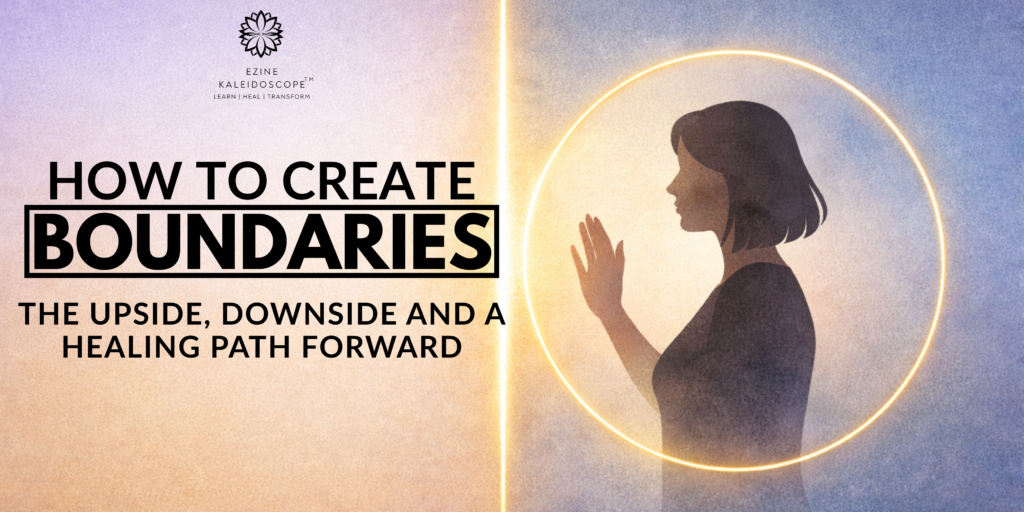
In any true healing journey, learning how to create boundaries is one of the most difficult and most life-changing task. Many people come to us saying they feel invisible, unheard, or constantly taken for granted. Some describe feeling like a doormat. Others share the deeper pain of trying endlessly to be seen by parents, partners, or loved ones, only to feel ignored or dismissed.
Creating boundaries is not about becoming cold or distant. It is about reclaiming your space, your energy, and your sense of self. From a holistic healing perspective, boundaries are not walls, they are bridges that allow healthier connections to form.
Why Boundaries Feel So Hard in the Healing Process
Understanding how to create boundaries begins with understanding why it feels uncomfortable in the first place.
For a child, parents are equivalent to God, because the child’s survival depends on them. But, parents are also human beings, carrying their own wounds, limitations, and unmet emotional needs. They often love in ways that they received or didn’t receive love. If love was conditional or absent in previous generations, those patterns often tend to repeat.
Acknowledging this does not mean placing blame on parents or excusing the harm that was done in some manner. Healing does not happen if we place blame on them. It also doesn’t happen if we are forgiving too fast or justifying abuse by saying, “They didn’t know any better.” That only pushes pain deeper into the subconscious, where it waits to resurface later in unexpected moments.
True healing requires awareness, courage, and learning how to create boundaries that protect your emotional well-being.
What Boundaries Really Mean (And What They Don’t)
Many people misunderstand boundaries.
Boundaries Are Not About Pushing People Away
A common myth is that boundaries mean cutting people off, building walls, or being rude. That is not what boundaries are.
Boundaries are:
- A clear definition of what you accept and what you don’t
- A way of asserting your existence and individuality
- A statement of self-respect, not punishment
When someone doesn’t know how to create boundaries, they often lose touch with their preferences, desires, and even their right to express needs.
How Childhood Experiences Affect Your Boundaries
If you grew up in an environment where:
- Your feelings were mocked or dismissed
- You were criticized “for your own good.”
- You were shamed for being sensitive
- You were not allowed privacy or autonomy
Then your boundaries were likely never allowed to form.
Hidden Emotional Abuse and Boundary Damage
Emotional and verbal abuse often leave deeper scars than visible forms of harm. Being constantly invalidated teaches a child that their thoughts and emotions do not matter. Over time, this creates adults who struggle with how to create boundaries in relationships, workplaces, and even daily decisions.
The Downside of Not Having Healthy Boundaries
When you don’t know how to create boundaries, life starts to feel exhausting and confusing.
Common Effects of Weak or Missing Boundaries
- You struggle to say “no” and feel guilty when you try
- You agree to things you don’t want, then feel resentful
- You avoid conflict or become passive-aggressive
- You are easily pressured or manipulated
- You feel responsible for other people’s emotions
Loss of Identity and Self-Worth
Without boundaries:
- You don’t know your preferences – food, places, people
- Decisions are made for you, and you simply follow along
- Relationships become one-sided and draining
- Your self-worth depends on being useful or needed
Over time, this corrodes self-esteem and creates deep emotional fatigue.
The Upside of Learning How to Create Boundaries
When you truly understand how to create boundaries, everything begins to shift.
Benefits of Healthy Boundaries
- You choose who gets access to your life and energy
- Your time and emotional space become valuable
- You stop seeking permission to be yourself
- You enjoy more spontaneity and joy
- Your relationships become balanced and respectful
Boundaries act like an internal filter. They help you recognize what feels aligned and what doesn’t.
How to Create Boundaries in a Healthy and Sustainable Way
Learning how to create boundaries is a practice, not a one-time event. Below are holistic, grounded steps you can start applying immediately.
1. Stop Over-Explaining Yourself
You do not owe anyone a detailed justification for your choices. Your life, your decisions. Learning how to create boundaries starts with trusting your own authority.
2. Stop Seeking Advice From Everyone
While guidance can help, constantly asking for opinions disconnects you from your inner wisdom. Allow yourself to experiment, make mistakes, and learn. Growth requires courage.
3. Protect Your Privacy
You are allowed to choose what you share and with whom. Especially in controlling or abusive environments, information can be misused. Boundaries include emotional privacy.
4. Don’t Fall for Guilt or Emotional Blackmail
Abusive patterns often resurface when control is threatened. Tears, apologies, or sudden kindness can be tactics. Stay grounded. Learning how to create boundaries means staying consistent even when it feels uncomfortable.
5. Repeat Your Boundaries Calmly and Clearly
People who benefited from your lack of boundaries will resist change. Calm repetition is key. Over time, consistency teaches others that you are serious.
6. Take One Small Boundary Action Each Day
Start small:
- Choose your own meal
- Leave a conversation early
- Say no without explanation
- Wear what feels right to you
Small acts build inner strength and confidence.
7. Choose Your Battles Wisely
Not every comment needs a response. Silence and walking away are powerful boundary tools. Drama feeds control. Peace feeds healing.
8. Release Unnecessary Self-Blame
Other people’s emotions are not your responsibility. If someone is angry or upset, it does not automatically mean you are wrong. Understanding how to create boundaries means letting go of misplaced guilt.
9. Prioritise Self-Care Without Guilt
Rest, pleasure, and joy are not rewards, you are entitled to them. Whether it’s a walk in nature, a massage, a long bath, or simply doing nothing, self-care reinforces your worth.
You do not need to earn the right to exist.
Final Thought
Learning how to create boundaries is not about changing who you are.
It is about remembering who you are.
Boundaries are an act of self-love, self-respect, and emotional maturity. When you honor your boundaries, you teach the world how to treat you and you finally give yourself the safety you always deserved.
FAQs: How to Create Boundaries
What does creating boundaries really mean?
It means clearly defining what feels safe, respectful, and acceptable for you, and consistently honoring those limits in relationships and daily life.
Is creating boundaries selfish?
No. Healthy boundaries protect your energy and allow relationships to remain balanced and respectful.
Why do boundaries feel uncomfortable at first?
Because they challenge old patterns of people-pleasing, fear, and guilt. Discomfort is a sign of growth.
How to create boundaries with family members?
Start small, stay consistent, avoid over-explaining, and remember that emotional reactions do not mean you are doing something wrong.
Can boundaries improve relationships?
Yes. When practiced with clarity and compassion, boundaries create deeper trust and mutual respect.